BYOD Risks in the Workplace Use of Personal Devices at Work Can Create Opportunity and Risk

Employees at companies of all sizes, either through their own volition or due to corporate requirements, are engaging in bring your own device (BYOD) programs in ever greater numbers. Many of these employees continue to work at home, beyond the traditional workday, on personal laptops, tablets and smartphones as the work and personal life divide continues to blur. Companies, once resistant to BYOD programs and their inherent risks, now embrace the increased collaboration, productivity and cost savings that BYOD allows.

According to a recent survey of global CIOs, half will require employees to supply their own devices by 2017.¹ Companies that do not take a proactive approach to managing the use of personal devices face growing risks, as costs associated with data losses, privacy breaches and other cyber threats continue to rise.

Yet, only 39% of companies have a BYOD policy in place, according to another recent study.² One in five employees surveyed reported that they were not aware whether or not their company had a formal policy in place, suggesting a need for increased training and communication.
  
Continue reading

Slips, Trips and Falls

A janitorial employee was scrubbing the steps and floors with water and a cleaning agent.  An observant worker realized that soon dozens of employees would be going down the same steps to exit the building for their lunch break.  This person then took the proper action to avert this potentially dangerous situation and set up a wet floor sign.

Do Your Safety Part

Slips, trips and falls constitute the majority of general industry accidents.  They cause 15% of all accidental deaths and are second only to motor vehicles as a cause of fatalities.  An unguarded wet floor is just one of the many possible causes.  It is important to spot unsafe conditions that could lead to slips, trips and falls, and do what you can to prevent them.

Continue reading

Hiring Safe Drivers for Commercial Vehicles

The majority of auto accidents are caused by driver error, whether it be following too closely, speeding, driving distracted, driving under the influence or a variety of other reasons.  As a business owner, you have control over who operates your vehicles and you should take this responsibility seriously.  Don’t underestimate the importance of making sure you are hiring a safe driver before you allow them to operate one of your fleet.  Always have an applicant sign a waiver permitting you to obtain a motor vehicle record (MVR) before you make a hiring decision.  If there is any doubt about the acceptability of the record, forward it to your Risk Advisor or insurance company for their guidance before allowing the applicant to drive a commercial vehicle.

Continue reading

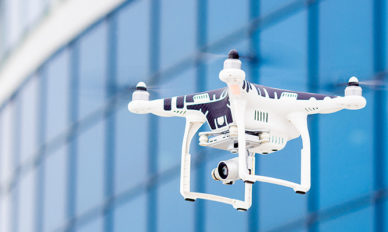
Commercial Drone

Drones for Commercial Use What You Should Know Before Taking Your Company to the Skies

Few technology gadgets have the potential of the modern-day drone – potential for exciting, innovative uses, but also potential for risk. Known sometimes by its more descriptive name, quadcopter, or its official name, Unmanned Aircraft System (UAS), the drone continues to increase in popularity for both recreational and commercial purposes.

While today’s drones may seem easy to operate, enjoying the benefits of this emerging technology is not nearly as simple as unboxing and launching your “eye in the sky”. Business owners and purchasing agents who believe a drone might be a useful addition to their operations should weigh the risks and understand the regulations and requirements associated with commercial drone use.

Continue reading

Controlling Risks for Property Owners

   
Losses that occur on property you own can affect your livelihood and that of your tenants.  They also can affect your insurance rates and eligibility.  Without the proper controls in place, you could be saddled with the responsibility of owing for injury or damages that you did not cause.

Recognize The Risks

When you understand the risks you face as a property owner and lessor, you can better manage them.  Consider these scenarios:

Natural perils – A tornado sweeps through town, damaging your building and your tenants’ contents.

Fire – A grease fire starts in a restaurant at one end of your building.  Before it is extinguished, fire damages multiple units and tenant contents.

Third-party injury or illness – A patron slips and falls in the parking lot, spraining her ankle.

Change in occupancy – A restaurant replaces a retail store in one of your units.  As a property owner, you want to determine if the current sprinkler system is able to handle the demands of a restaurant.

Change in tenant operations – A retail craft store expands its operations to include pottery making.  With this expansion, your tenant adds kilns to heat-treat ceramic projects.

Vacancy – Your unoccupied building is vandalized, resulting in damaged property.
  
Continue reading