
Builder’s Risk Insurance: Protecting Affordable Housing Projects When It Matters Most
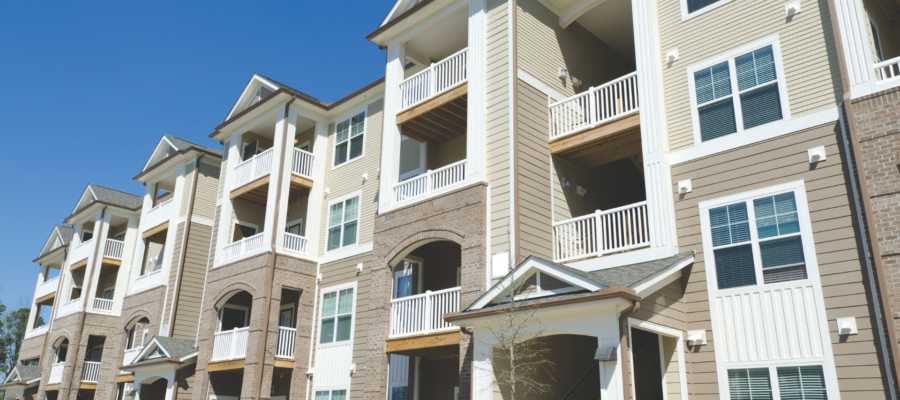
For affordable housing developers, housing authorities, and nonprofit organizations, a construction project represents far more than a building. It represents years of planning, financing, community partnerships, and coordination between lenders, investors, contractors, and housing agencies.
The construction phase is also when a project is most vulnerable.
Materials are exposed, systems are incomplete, and multiple parties are working simultaneously to keep the project on schedule. A single event such as a fire, water loss, theft of materials, vandalism, or severe weather incidents can quickly create significant financial consequences.
These events do more than damage the physical structure. They can delay construction schedules, increase carrying costs, impact construction loan timelines, and create additional pressure on project budgets. For LIHTC developments, delays may also affect placed-in-service targets, investor expectations, and critical project milestones.
For developers, the question becomes clear: Is your construction risk strategy protecting the project, or simply reacting when a loss occurs?
The Challenge: Construction Losses Impact More Than the Building
Construction is one of the most exposed phases in the lifecycle of an affordable housing development.
Unlike stabilized properties, projects under construction do not have the benefit of a traditional property insurance policy. At the same time, they face a variety of exposures including water damage, fire, theft, windstorm events, and other construction-related losses.
For affordable housing developments, where multiple layers of debt, equity, grants, and public financing are often involved, even a relatively small loss can create ripple effects throughout the capital stack.
The result is that operational challenges quickly become financial challenges.
Builder’s Risk Insurance Is More Than a Lender Requirement
Many affordable housing developers purchase builder’s risk coverage because it is required by a lender, investor, or other financing partner.
While satisfying those requirements is important, builder’s risk should be viewed as more than a compliance exercise.
A properly structured builder’s risk policy is an important risk management tool designed to protect the project’s physical assets while construction is underway. More importantly, it helps protect the significant financial investment behind the development.
When a covered loss occurs, builder’s risk insurance can help absorb costs that would otherwise fall directly on the project. This allows developers, owners, lenders, and investors to focus on keeping the development moving forward rather than scrambling to address unexpected financial setbacks.
The goal should not simply be obtaining a policy.
The goal should be structuring coverage that aligns with the project’s unique risks, financing structure, and development objectives.
How Organizations Can Strengthen Builder’s Risk Strategies
1. Align Coverage with the Project’s Exposure
No two affordable housing developments are identical.
A ground-up LIHTC development, a RAD conversion, a substantial rehabilitation project, or a mixed-finance housing authority project may all have very different exposures and insurance requirements.
Effective builder’s risk planning begins with understanding:
- Total completed value
- Construction timeline
- Financing structure
- Project scope
- Key stakeholder requirements
Rather than using a standard approach, coverage should be tailored to the project’s specific risk profile.
2. Maintain Visibility and Control
One of the most overlooked decisions is determining who will purchase and control the builder’s risk policy.
When developers and ownership groups maintain visibility into the policy structure, they generally have a better understanding of coverage limits, lender requirements, claims procedures, and stakeholder obligations.
When responsibility is delegated without proper oversight, gaps can emerge between insurance requirements and project expectations.
Clear ownership and accountability create better outcomes both before and after a loss occurs.
3. Don’t Overlook Soft Cost Exposures
Soft costs are one of the most important and commonly misunderstood elements of builder’s risk. Delays do not stop financial obligations. Interest continues to accrue, administrative work increases, and lender fees may be extended. Effective policies focus on covering these real financial exposures while avoiding unnecessary costs that do not add meaningful value.
What Drives Builder’s Risk Pricing?
Builder’s risk pricing is influenced by far more than project value alone.
Underwriters evaluate a variety of factors including:
- Construction type
- Project location
- Catastrophe exposure
- Fire protection
- Water damage mitigation plans
- Site security measures
- Contractor experience
- Construction timeline
- Quality and completeness of project information
Two developments of similar sizes can receive dramatically different pricing and coverage terms based on how effectively risks are managed and presented to insurance carriers.
Developers that provide detailed project information and demonstrate strong risk management practices are often positioned to secure more favorable outcomes.
Moving from Protection to Performance
Builder’s risk is not simply a safety net. When approached strategically, it becomes a tool that supports better decision-making, stronger financial performance, and greater control over project outcomes.
Organizations that consistently achieve stronger results focus on a few key behaviors:
- Engaging early to align insurance strategy with project planning
- Providing clear and complete information to reduce uncertainty
- Maintaining alignment across stakeholders throughout the project lifecycle
Over time, these practices help reduce unexpected costs, improve project execution, and create more predictable financial outcomes.
At Scott Insurance, we work with organizations to evaluate construction-related exposures and design builder’s risk strategies that align with project goals, financing requirements, and long-term ownership objectives.
If you are preparing for an upcoming development or reviewing your current approach, our team is prepared to help you create an intentional risk management strategy that makes a measurable difference.